Authors
Page 208
Carl-Ivar Brändén
1 book
Carl Iver Hovland
1 book
Carl Jacobi
1 book
Carl James
1 book
Carl J. (Carl Joachim) 19 Friedrich
1 book
Carl Jensen
1 book
carl j. friedrich alfred weber
1 book
Carl J Pratt
1 book
Carl Kohler
1 book
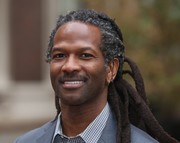
Carl L. Hart
Neuroscientist at Columbia University.
2 books
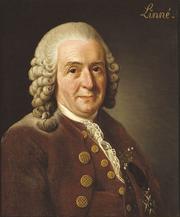
Carl Linnaeus
Swedish botanist, father of modern taxonomy. See also his son Carolus Linnaeus the Younger, Linnean Society of London, Linnaean Society of New England, Linnean Society of New South Wales, Linnaean Society of New York, and Philadelphia Linnean Society.
1 book
Carl Lopez
1 book
Carl L. Wilson
1 book
Carl McColman
2 books
Carl Morse
1 book
Carl Muller
1 book
Carl Norac
1 book
Carl Norac
1 book
CARLO ANCELOTTI
2 books
Carlo Baudi Di Vesme Baldessar Castiglione
1 book
Carl O. Boucher
1 book
Carlo Collodi
Carlo Collodi was a pseudonym of Carlo Lorenzini
6 books
Carlo D'Este
2 books
Carlo DiClemente
1 book
Carlo Emilio Gadda
1 book
Carlo Ghezzi
1 book

Carlo Ginzburg
3 books
Carlo H. Séquin
1 book
Carlo Levi
1 book
Carl Olof Jonsson
1 book
Carlo Lucarelli
2 books
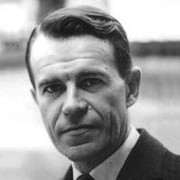
Carlo Maria Cipolla
Carlo M. Cipolla (August 15, 1922 – September 5, 2000) was an Italian economic historian. He was born in Pavia, where he got his academic degree in 1944. Source: <a href="https://en.wikipedia.org/wiki/Carlo_M._Cipolla">Carlo M. Cipolla</a> on Wikipedia (Wikipedia contributors, <a href="https://en.wikipedia.org/wiki/Wikipedia:Text_of_Creative_Commons_Attribution-ShareAlike_3.0_Unported_License">CC BY-SA 2.0</a>)
2 books
Carlo M. Cipolla
1 book
Carlon, Patricia
1 book
Carlo Panaro
1 book
Carlo Panaro
1 book
Carlo Pedretti
2 books
Carlo Rovelli
8 books
Carlos Alberto Mingo Gómez de Celis
1 book
Carlos Alberto Mora
1 book
Carlos A. Lozano
1 book
Carlos Azevedo
1 book
Carlos Baker
American teacher, novelist, and critic known for biographies of Ernest Hemingway and Percy Bysshe Shelley
2 books
Carlos Barberi
1 book
Carlos Barrios
1 book
Carlos Bosch Giral
1 book
Carlos Bulosan
2 books
Carlos Cantueso
2 books
Carlos Castaneda
2 books

Carlos Castaneda
Carlos Castaneda was an American author with a Ph.D. in anthropology. Starting with The Teachings of Don Juan in 1968, Castaneda wrote a series of books that describe his training in shamanism, particularly with a group whose lineage descended from the Toltecs. The books, narrated in the first person, relate his experiences under the tutelage of a Yaqui "Man of Knowledge" named don Juan Matus. His 12 books have sold more than 28 million copies in 17 languages. Critics have suggested that they are works of fiction; supporters claim the books are either true or at least valuable works of philosophy and descriptions of practices which enable an increased awareness. Castaneda withdrew from public view in 1973 to work further on his inner development, living in a large house in Westwood, California with three women whom he called "Fellow Travellers of Awareness." He founded Cleargreen, an organization that promotes Tensegrity®, which Dr. Castaneda described as the modern version of the “magical passes” of the shamans of ancient Mexico (Magical Passes p. 22). Magical Passes comprise bodily movements discovered in dream states by shamans of don Juan’s lineage, expanding their powers of perception. (Magical Passes p. 1-2) Castaneda’s first three books, The Teachings of Don Juan: A Yaqui Way of Knowledge, A Separate Reality and Journey to Ixtlan, were written while Castaneda was an anthropology student at UCLA. He wrote these books as his research log describing his apprenticeship with a traditional "Man of Knowledge" identified as don Juan Matus, a Yaqui Indian from northern Mexico. Castaneda was awarded his bachelor's and doctoral degrees based on the work described in these books. For several years, anthropologists considered his work authentic and important, but then a number of exposés questioned Castaneda's veracity. Academic critics now claim the books are works of fiction, citing the books' internal contradictions, discrepancies between the books and anthropological data, alternate sources for Castaneda's detailed knowledge of shamanic practices and lack of corroborating evidence. --Wikipedia
13 books