Authors
Page 758
John Hagee
1 book
John Hagel
1 book
John Hagel III
1 book
John Hall
1 book
John Hannah
1 book
John Harding
British author and novelist
1 book
John Hargrave
1 book
John H. Arnold
1 book
John Harold Jackson
1 book
John Harrison
1 book
John Hart
3 books
John Hartley
3 books
John Harwood
2 books
John Harwood
John Harwood (born 1946) was born in Hobart, Tasmania and is an Australian poet, literary critic and novelist. Source: <a href="https://en.wikipedia.org/wiki/John_Harwood_(writer)" target="blanck">John Harwood</a> on Wikipedia.
2 books
John Harwood Hick
http://viaf.org/viaf/108375245/
1 book
John Hattie
2 books
John Haugeland
1 book

John Hawkes
1 book
John Hawkes
1 book
John Hay
1 book
John Haydon
1 book
John Hayes
1 book
John Haywood
1 book
John H. Bickford
1 book
John H. Campbell
1 book
John H. Dirckx
1 book
John H. Dobson
2 books
John Healy
British writer and chess player
1 book
John Heath
2 books
John Hedgecoe
1 book
John Heidenry
1 book
John Heider
1 book
John Heilemann
American journalist
1 book
John Helfers
2 books
John Helyar
1 book
John Henderson
1 book
John Hendrix
1 book
John Hendrix
1 book
John-Henri Holmberg
1 book
John Henry Merryman
1 book

John Henry Newman
English cleric, cardinal and saint
8 books
John Henry Vanderpoel
1 book
John Herbert Davis
1 book
John Herman
1 book
John Hersey
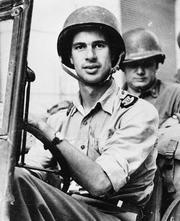
John Hersey
John Richard Hersey (June 17, 1914 – March 24, 1993) was an American writer and journalist. He is considered one of the earliest practitioners of the so-called New Journalism, in which storytelling techniques of fiction are adapted to non-fiction reportage. In 1999, Hiroshima, Hersey's account of the aftermath of the atomic bomb dropped on Hiroshima, Japan, was adjudged the finest work of American journalism of the 20th century by a 36-member panel associated with New York University's journalism department. John Hersey was born in Tientsin, China, the son of missionaries. He returned to the United States with his family at the age of ten. He attended the Hotchkiss School, then Yale University, then Cambridge University. In 1937 he worked as a secretary for Sinclair Lewis, and that fall he got a position at Time magazine. Two years later he was transferred to Time's Chongqing bureau. During World War II he reported on the war in both Europe and Asia, writing articles for Time, Life, and The New Yorker. He published several books during this time, including Men on Bataan, Into the Valley, A Bell for Adano (which won the Pulitzer Prize for the Novel in 1945), and Hiroshima, his most famous work (originally published in The New Yorker). He also wrote The Wall (1950) about the Warsaw Ghetto during the Holocaust. Hersey was the head of Pierson College at Yale University from 1965-1970, and he taught writing at the undergraduate level there.
7 books
John Hershey
1 book
John H. Falk
1 book
John H. Flavell
2 books
John H. Hubbard
1 book